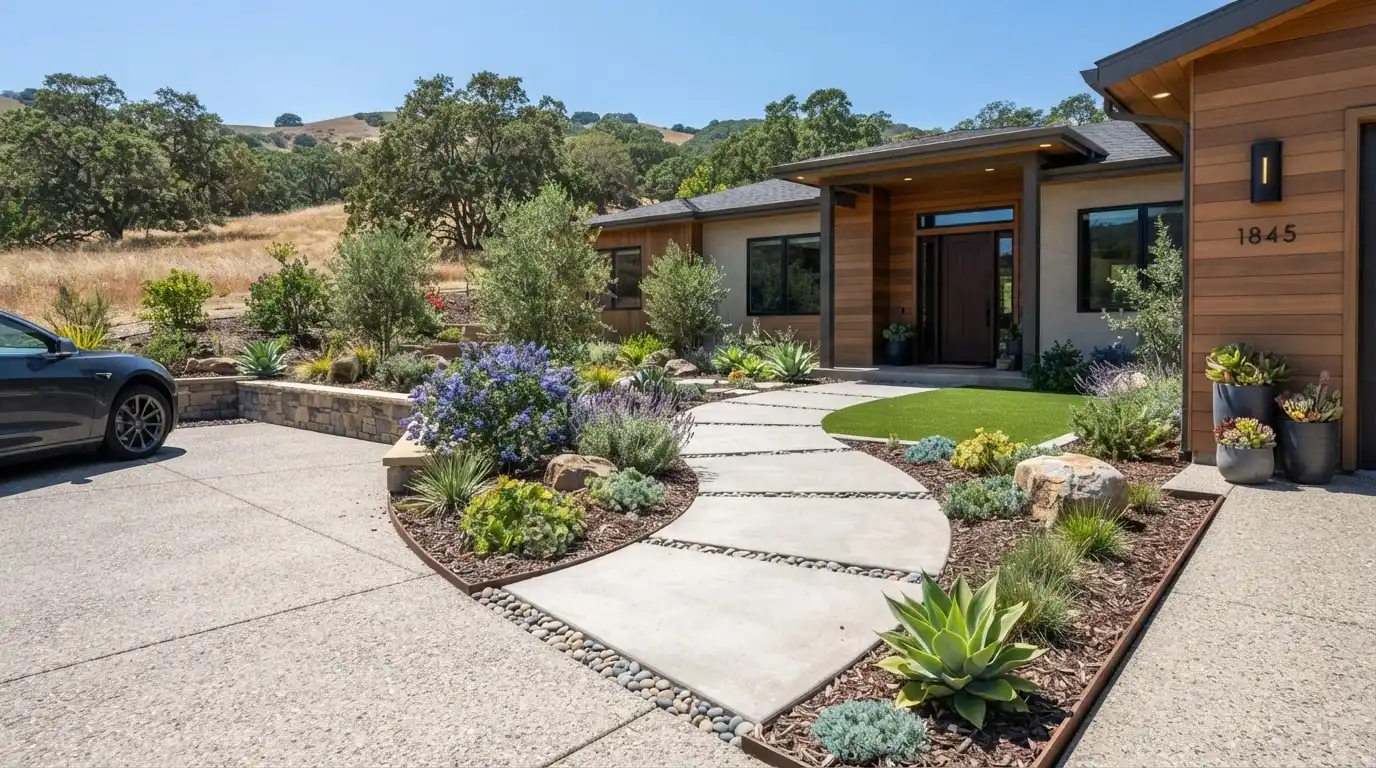
Walkway and sidewalk are words people use interchangeably, but in concrete work they describe surfaces with different purposes, layouts and preparation needs. Understanding the distinction helps you plan the right path for your property.
Here is the practical difference between a concrete walkway and a sidewalk, and when each makes sense.
Purpose and Placement
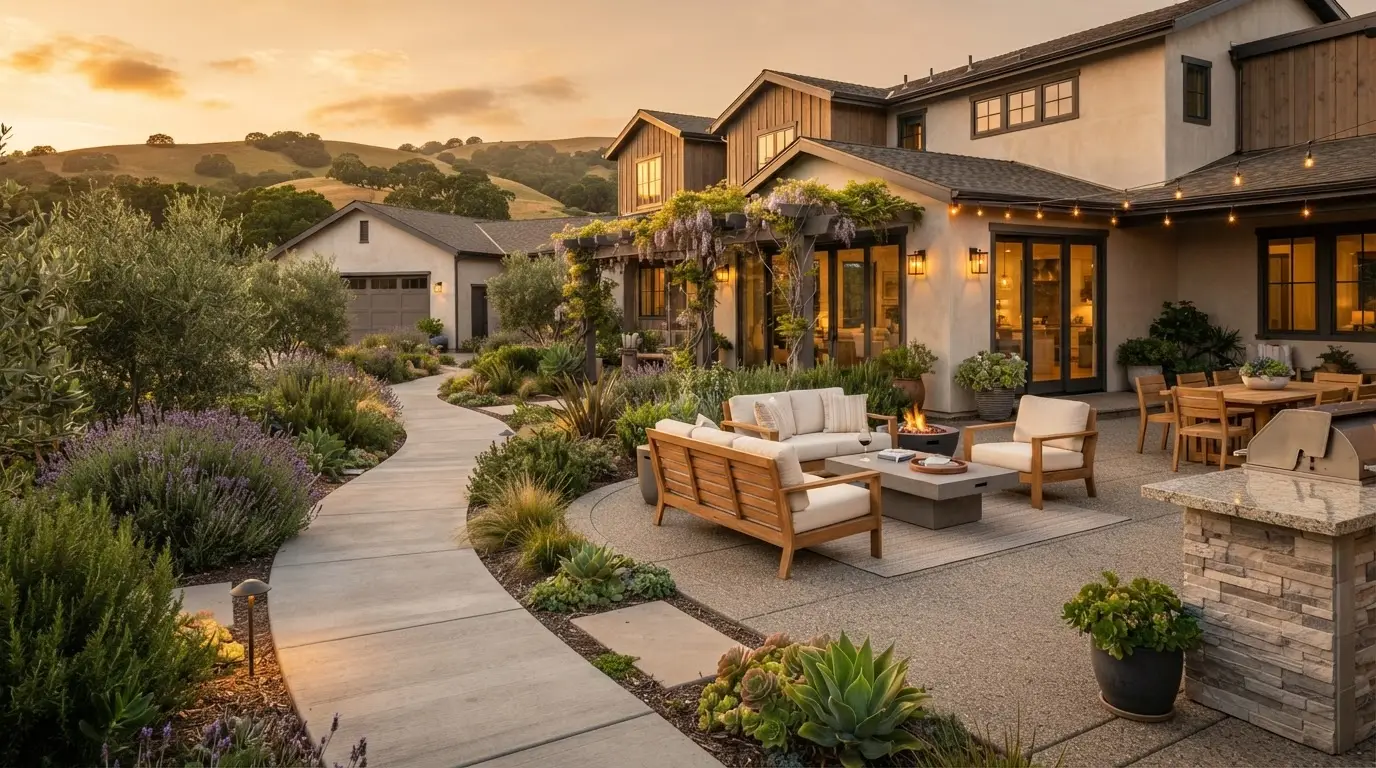
A walkway is a path on private property — connecting a driveway to a front door, linking a patio to a side yard, or routing foot traffic through a garden. It is designed around how you and your guests move around your own land.
A sidewalk is a pedestrian surface along a street or public right-of-way. It is typically wider, follows a consistent grade, and is built to a standard that serves general public foot traffic.
On residential projects, most homeowners are adding walkways rather than sidewalks. Our patios, walkways and sidewalks service covers both, but the planning differs.
Layout and Design Differences
Walkways offer more layout flexibility. They can curve, change width, step up or down with the grade, and be sized to match the traffic they will carry. A garden path can be narrower than a main entry walk.
Sidewalks are more standardized — consistent width, gentle grades and predictable cross-slope for drainage and accessibility. They follow the street rather than the property's features.
Because walkways are property-specific, their design should respond to your landscaping, existing hardscape and the routes people actually take across the yard.
Preparation Considerations
Both surfaces need proper base preparation, but the requirements differ. A walkway on flat, stable ground is straightforward; one crossing a slope or soft area needs more attention to the subgrade and drainage.
Sidewalks, especially those along streets, must handle consistent public use and often tie into existing curbs and drainage. Their preparation follows established standards for grade and cross-slope.
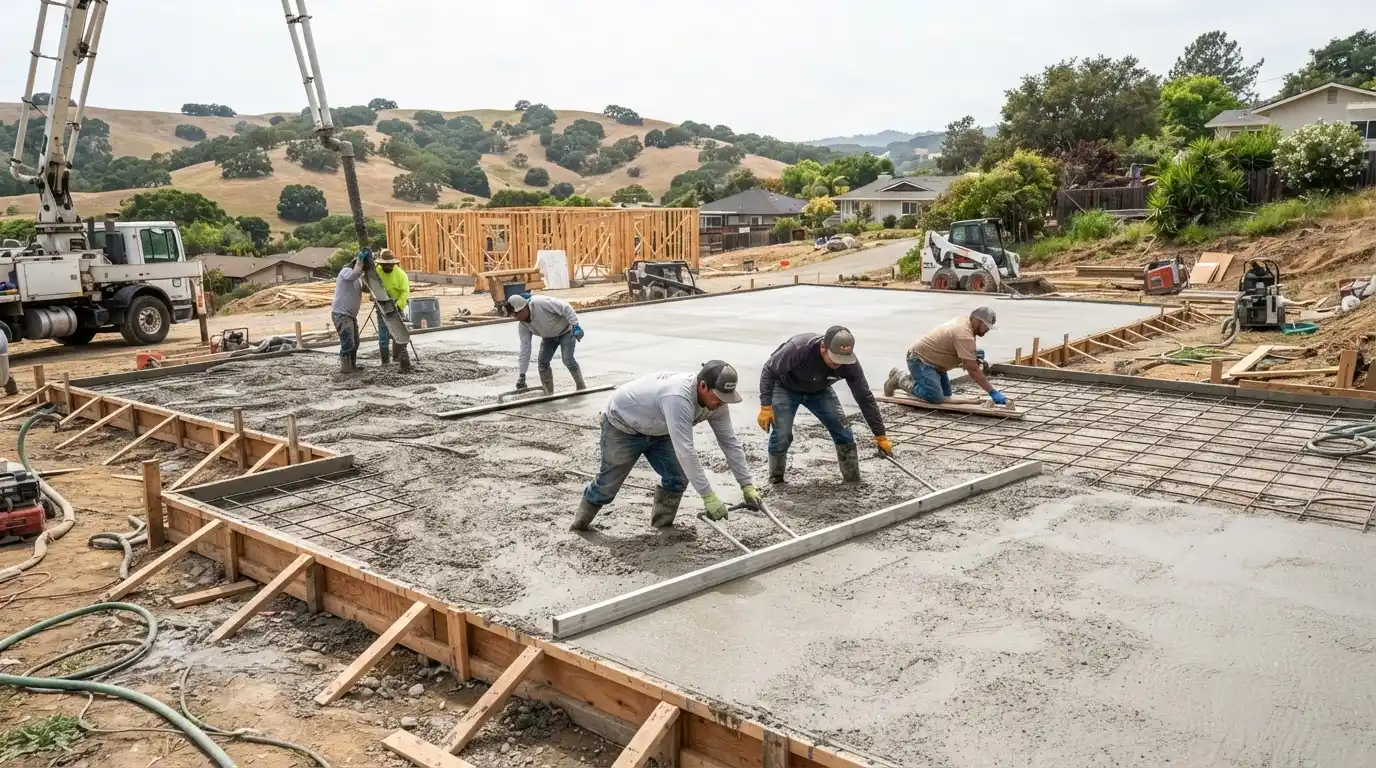
In every case, preparation — compaction, base material, thickness and joints — is what determines whether the surface stays crack-free and level. Poor prep is the most common cause of early failure in both walkways and sidewalks.
Which Do You Need?
If you want to connect parts of your own property — driveway to door, patio to yard, gate to garden — you are looking at a walkway. If you need a pedestrian surface along a street, that is a sidewalk.
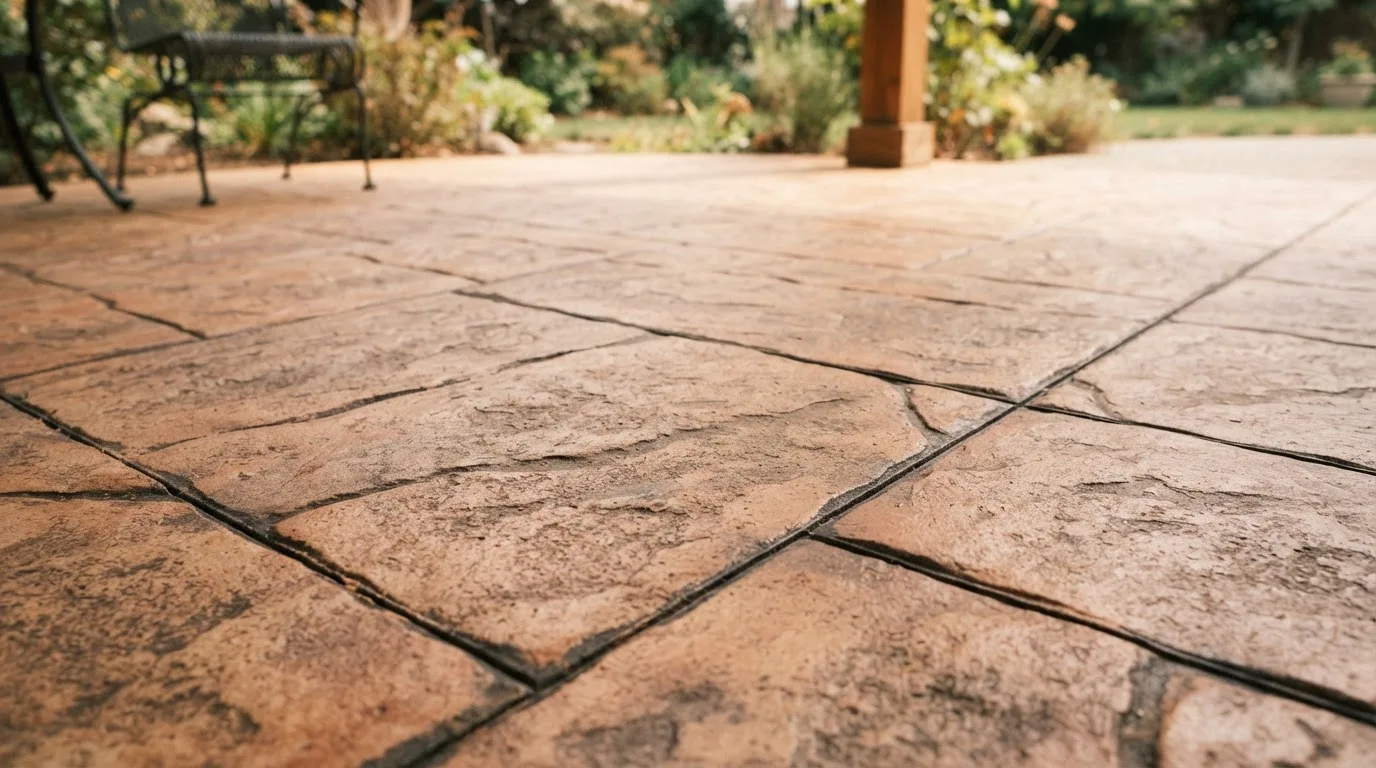
Either way, the surface should be planned around its purpose, the site conditions and the finishes that fit your property. Decorative finishes can be applied to walkways to complement patios and landscaping — see our decorative concrete guide.
To plan a walkway or sidewalk on your property, call C.E.D. Concrete Services at (888) 587-0908 or request an estimate.
Patios, Walkways & Sidewalks
Learn more about this service and how C.E.D. Concrete Services can help with your project.
Explore Patios, Walkways & Sidewalks